Total Time: 3 hours 15 minutes (with hands-off simmering) | Active Time: 45 minutes | Difficulty: Medium (requires patience, not skill)
Yield: 6-8 generous servings | Cost: Medium | Category: Dinner, Main Course, Comfort Food
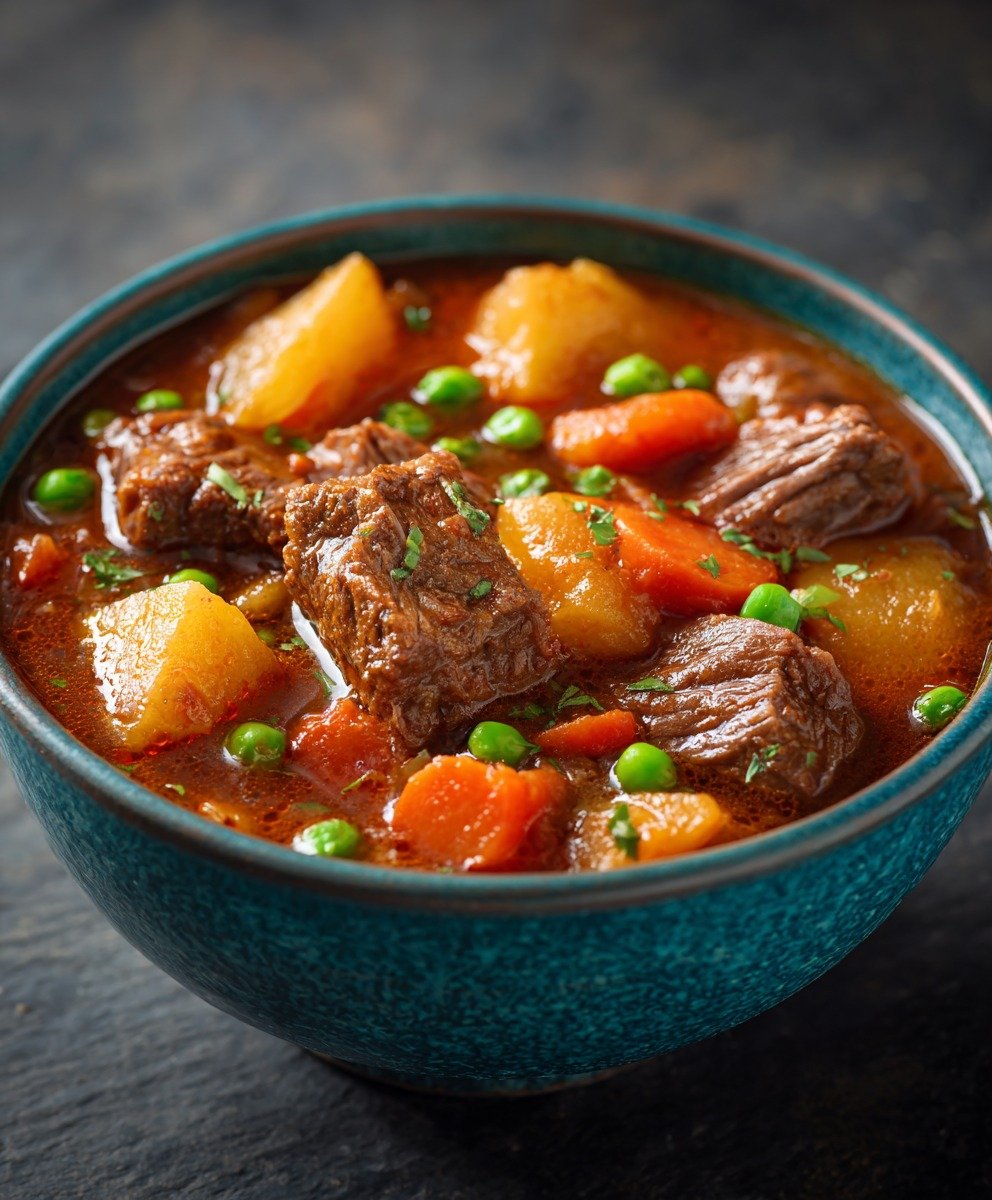
Not all stews are created equal. Some are hearty, some are brothy, but a true Spanish beef stew—known in its homeland as Estofado de Ternera—is an entirely different experience. This is a stew that melts: the beef surrenders into sublime, fork-tender strands at the slightest pressure, the vegetables dissolve into the sauce, and the flavors fuse into a deep, harmonious, and profoundly comforting unity. It’s not merely cooked; it’s transformed through slow, gentle coaxing. This recipe unlocks that magic, delivering a rich, wine-kissed, and paprika-scented masterpiece that embodies the warmth of Spanish hospitality. It’s a weekend project that rewards you with a taste of a rustic Spanish taberna and leftovers that taste even better the next day.
The Alchemy of “Melting”
What makes this stew “melt” is a combination of technique, time, and ingredients. The process begins with a proper sofrito—the foundational sauté of onions, garlic, and tomato that forms the flavor soul of countless Spanish dishes. Next, the critical step of browning the beef creates a treasure trove of fond (those caramelized bits on the pan) which becomes the base of the stew’s complex depth. The inclusion of a quality Spanish paprika (pimentón) provides its signature smoky soul, while a full-bodied red wine introduces acidity and fruitiness that tenderizes the meat as it cooks. The long, slow, and gentle simmer is the final, non-negotiable spell. It breaks down the beef’s tough collagen into silky gelatin, ensuring each piece is succulent and the sauce is luxuriously thick without a hint of flour.
Ingredients
For the Beef & Marinade (Optional but Recommended):
-
3 lbs (1.4 kg) beef chuck roast, cut into 2-inch cubes
-
2 tbsp olive oil
-
1 tsp kosher salt
-
½ tsp black pepper
-
1 cup (240ml) robust red wine (such as Tempranillo, Rioja, or Cabernet Sauvignon)
For the Stew:
-
3 tbsp olive oil, divided
-
1 large yellow onion, finely chopped
-
4 cloves garlic, minced
-
1 large carrot, finely diced
-
1 red bell pepper, finely diced
-
4 oz (115g) Spanish chorizo (cured, not fresh), diced (optional but authentic)
-
2 tbsp tomato paste
-
2 tsp sweet Spanish paprika (pimentón dulce)
-
½ tsp smoked Spanish paprika (pimentón picante, for heat, optional)
-
1 bay leaf
-
2 sprigs fresh thyme (or 1 tsp dried)
-
2 cups (480ml) beef stock, preferably low-sodium
-
1 (14.5 oz) can diced tomatoes, with their juices
-
1 lb (450g) baby potatoes or Yukon Gold potatoes, cut into 1-inch chunks
-
1 large carrot, cut into 1-inch chunks (for texture)
-
For finishing: Fresh parsley, chopped, and crusty bread for serving.
Essential Equipment
-
Large, heavy-bottomed Dutch oven or stew pot (5-7 quart capacity)
-
Tongs
-
Wooden spoon
-
Sharp chef’s knife and cutting board
-
Measuring cups and spoons
Step-by-Step Instructions
Step 1: Marinate & Brown the Beef (The Flavor Foundation)
Pat the beef cubes thoroughly dry with paper towels—this is crucial for proper browning. Season generously with salt and pepper. In your Dutch oven, heat 2 tablespoons of olive oil over medium-high heat until shimmering. Working in batches to avoid overcrowding, brown the beef on all sides, about 3-4 minutes per batch. Do not rush. Transfer the browned beef to a plate. For a deeper flavor, you can marinate the beef in the red wine for 1-4 hours beforehand, then pat dry before browning, reserving the wine.
Step 2: Build the Sofrito (The Soul of the Stew)
Reduce the heat to medium. Add the remaining tablespoon of olive oil to the pot. Add the finely chopped onion, diced carrot, and red bell pepper. Cook, stirring occasionally, for 8-10 minutes until the vegetables are softened and the onions are translucent. Add the diced chorizo (if using) and cook for another 2 minutes to release its flavorful oils. Add the minced garlic, tomato paste, sweet paprika, and smoked paprika (if using). Stir constantly for 1-2 minutes until fragrant. This toasts the spices and cooks the raw taste out of the tomato paste.
Step 3: Deglaze and Assemble (Layering the Flavor)
Pour in the red wine (or reserved marinade wine), using your wooden spoon to scrape up all the glorious browned bits (fond) from the bottom of the pot. Let it simmer for 2-3 minutes until reduced by about half. This deglazing step is where immense flavor is captured. Return the browned beef and any accumulated juices to the pot. Add the bay leaf, thyme, beef stock, and the can of diced tomatoes with their juices. Stir to combine.
Step 4: The Long, Melting Simmer
Bring the stew to a very gentle boil, then immediately reduce the heat to the lowest possible setting to maintain a bare simmer. Cover the pot with the lid slightly ajar. Let it simmer gently for 2 hours, stirring once or twice. This low-and-slow cooking is what begins to break down the connective tissue.
Step 5: Add Vegetables and Finish Simmering
After 2 hours, add the chunked potatoes and carrots to the pot, submerging them in the liquid. Cover again and continue to simmer gently for another 45 minutes to 1 hour, or until both the beef and the vegetables are exceptionally tender. The beef should offer no resistance when pierced with a fork.
Step 6: Rest, Adjust, and Serve
Once cooked, turn off the heat and let the stew rest, covered, for 15-20 minutes. This allows the fat to rise slightly and the flavors to settle. Skim off any excess fat from the surface if desired. Discard the bay leaf and thyme sprigs. Taste and adjust seasoning with salt and pepper. The stew should be thick and coating. If it’s too thin, simmer uncovered for 10-15 minutes; if too thick, add a splash of broth or water.
Ladle the stew into deep bowls, ensuring each serving gets plenty of tender beef, soft vegetables, and that magnificent sauce. Garnish generously with fresh chopped parsley. Serving with thick slices of crusty bread for dipping is not a suggestion—it’s a requirement.
Storage & Lasting Power
This stew’s flavor improves magnificently with time. Cool completely and store in an airtight container in the refrigerator for up to 4 days. Reheat gently on the stovetop over low heat, adding a splash of water if needed. It also freezes exceptionally well for up to 3 months. Thaw overnight in the refrigerator before reheating.
Nutrition Information (Per serving, based on 8 servings, without bread)
-
Calories: ~520 kcal
-
Total Fat: 32g
-
Saturated Fat: 11g
-
Cholesterol: 115mg
-
Sodium: ~750mg (varies with stock/chorizo)
-
Total Carbohydrates: 22g
-
Dietary Fiber: 4g
-
Sugars: 6g
-
Protein: 35g
Note: Nutrition information is an estimate. Values can vary based on the specific cut of beef, brand of chorizo, and sodium content of the stock used.
Chef’s Notes & Regional Twists
-
The Wine Rule: Use a wine you would enjoy drinking. The quality directly impacts the stew’s depth.
-
Paprika is Paramount: Seek out authentic Spanish pimentón. The sweet (dulce) and hot (picante) varieties are staples in Spanish pantries and make all the difference.
-
Texture Play: For a thicker, gravy-like sauce, mash a few of the cooked potato chunks against the side of the pot before serving and stir them in.
-
The Iberian Touch: For a Portuguese Cozido influence, add a drained can of chickpeas with the potatoes and carrots.
-
Modernist Finish: Stir in a handful of fresh baby spinach or chopped kale during the last 5 minutes of cooking for a burst of color and nutrition.
-
Pressure Cooker Shortcut: Follow steps 1-3 in the pressure cooker pot. Add all ingredients except the chunked potatoes and carrots. Cook on High Pressure for 35 minutes. Quick release, add the potatoes and carrots, and cook on High Pressure for another 8 minutes.